Holly Allison

6106 Yellowstone Rd Cheyenne, WY 82009

Licensed in NE, WY

(307) 631-1876

View Holly's Listings

Holly Allison

Wyoming Ranch and Farm Real Estate with Real-World Experience

If you are buying or selling a ranch, farm, or recreational property in Wyoming or the surrounding region, you are not just dealing with real estate. You are dealing with land that has to work.

Water, access, grazing, infrastructure, and long-term value all matter. That is where experience shows up.

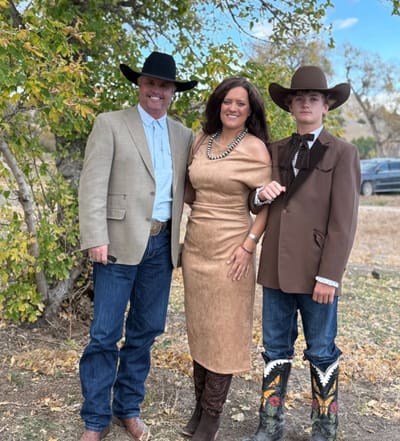
Holly Allison is a land broker with #1 Properties Ranch and Recreation, working across Wyoming and Nebraska. She specializes in farm, ranch, and recreational land transactions and brings a practical, ground-level understanding into every deal.


Built in Agriculture, Not Just Marketing

Holly is a fourth generation cattle rancher who manages her own herd from winter feeding through calving and rebreeding. She understands the realities that do not show up in a brochure.

That includes:

  • How a place handles in a hard winter
  • What water actually produces over time
  • How carrying capacity impacts value
  • Where infrastructure helps or hurts an operation

This is not theory. It is lived experience.


How Properties Are Positioned and Sold

There is a difference between listing land and positioning it correctly.

Many properties fail to sell, or sell below their potential, because they are:

  • Priced off weak or irrelevant comps
  • Marketed broadly instead of strategically
  • Shown without context or understanding

Holly's approach is built on getting it right from the start.

Each property is evaluated based on:

  • Actual land use and performance
  • Market conditions in the region
  • Buyer profile and intent

From there, a strategy is developed to connect the property with the right buyer, not just the most buyers.

Local Knowledge, Neighbors First


Most Wyoming land Holly sells goes to Wyoming buyers, often area ranchers adding acres or helping family expand. Out-of-state buyers seeking ranch, recreational, and legacy properties are part of the market too.

Holly combines:

  • Working knowledge of the ground, water, and operations in Platte County, northern and western Laramie County, and eastern Albany County.
  • Relationships with regional producers and families looking to grow.
  • Marketing that reaches out-of-state buyers seeking ranch, recreational, and legacy properties.

This positions each property correctly for both local working buyers and buyers from farther away.


The Showing Experience Matters

A ranch tour is not a quick drive and a conversation at the gate.

Serious buyers need to understand:

  • How the property lays out
  • How it functions day to day
  • What makes it valuable beyond the surface

Holly takes the time to walk, drive, and experience the land with buyers. That often includes discussing the history of the property, how it has been used, and why it has been held.

This creates a level of understanding that leads to stronger decisions and more confident offers.


Leadership and Professional Standards

Holly serves as Vice President of the Wyoming Chapter of the Realtors Land Institute.

This reflects a commitment to:

  • Ongoing education in land transactions
  • Professional standards in brokerage
  • Staying current with market trends, water issues, and land use changes

She is also a member of the National Association of REALTORS, Wyoming Association of REALTORS, and local industry organizations.


Straightforward, Client-Focused Approach

Clients working with Holly can expect:

  • Direct communication
  • Clear guidance on pricing and strategy
  • Strong negotiation when it matters
  • A focus on protecting their position throughout the transaction

There is no guesswork, and no inflated expectations just to secure a listing.

The goal is simple. Help clients make informed decisions and execute deals with confidence.

If you are considering selling a ranch or farm, or looking to purchase land in Wyoming or the surrounding region, reach out for a direct conversation.

Every property and every situation is different. The first step is understanding what you have and what you want to accomplish.


Sold Portfolio

A selection of agricultural properties where I have represented sellers across southeastern Wyoming, including dryland farms, irrigated farmland, and recreational acreage.

Sanders Dryland Farm | Goshen County, Wyoming

800 Acres | Dryland Farm & Recreational Land
2026 Seller Representation: Holly Allison | Co-Listed with Hall and Hall

Successfully sold 800 acres near LaGrange, Wyoming, featuring productive dryland cropland, highway frontage, mule deer habitat, and potential for future development.

View Sold Property - Sanders Dryland Farm


Torrington Irrigated Farm | Goshen County, Wyoming

160 Acres | Irrigated Farm & Livestock Property
2026 Seller Representation: Holly Allison

Successfully sold a diversified agricultural property near Torrington featuring Goshen Irrigation District water rights, productive hay ground, livestock facilities, a roping arena, and recreational amenities.

View Sold Property - Torrington Irrigated Farm


Shoop Farm | Platte County, Wyoming

75.35 Acres | Irrigated Farm & Agricultural Property
2025 Seller Representation: Holly Allison

Successfully sold an irrigated farm near Wheatland featuring Wheatland Irrigation District water rights, center-pivot irrigation, residential improvements, and recreational opportunities.

View Sold Property - Shoop Farm


FAQs

Who is the best land broker for Platte County and the Laramie Range area of Wyoming?
I'm Holly Allison, an Associate Broker with #1 Properties Ranch and Recreation. My focus is all of Platte County, all of Goshen County, northern and western Laramie County, and eastern Albany County. I'm a fourth-generation cattle rancher who runs my own herd, and I serve as Vice President of the Wyoming Chapter of the REALTORS Land Institute. I'm also licensed in Nebraska, where I grew up with family roots in Sheridan and Cherry Counties, and I take larger ranch listings there.

What areas do you serve?

  • Platte County: Wheatland, Chugwater, Glendo, Guernsey, and Hartville.
  • Laramie County: the northern and western parts, including Horse Creek, the Happy Jack Road corridor, and Granite Canyon.
  • Albany County: the eastern part, including Buford, Tie Siding, and the east side of Laramie.
  • Goshen County: Fort Laramie, Lingle, Torrington, LaGrange, Hawk Springs, and Yoder.
  • Nebraska: larger ranch properties, particularly in the Sandhills and western Nebraska.

What is the best way to price a ranch or farm in Platte County?
Pricing a ranch or farm takes more than price per acre. Irrigated ground, dryland farm ground, and native grass each sell differently. Water source, grazing capacity, access, fencing, and improvements all move value. A correct price is based on how the land performs and on comparable sales that actually match it, not just on what nearby properties sold for.

How do water rights and irrigation work on land in Platte County?
Irrigated ground in this area usually runs on one of three water sources, and some properties have more than one. Buyers need to know which they're buying before making an offer.

Wheatland Irrigation District water. WID is one of Wyoming's oldest and largest irrigation systems. Its Laramie River and Sybille Creek rights date to 1883, it was the first in Wyoming to receive a trans-basin diversion, and today it serves roughly 54,000 adjudicated acres through 11 reservoirs and about 120 miles of canals and laterals. District water reaches farms by ditch and can be applied by flood, gated pipe, or pivot. Deliveries depend on snowpack and reservoir storage, so they vary year to year. Buyers should confirm:

  • Which acres carry district water.
  • The annual assessment.
  • How deliveries have run in short years.

Direct surface water rights from rivers and creeks. Some ranches hold their own rights to divert water from a river or creek. Wyoming water law runs on priority, first in time, first in right, so an older priority date matters most in a dry year. Buyers should confirm:

  • That the right is adjudicated and attached to the acres being sold.
  • The priority date.
  • The condition of the headgates and ditches.
  • Any easements a ditch needs across neighboring land.

Well-fed pivots. These run on groundwater under a permit from the Wyoming State Engineer's Office. Buyers should confirm the permitted use, the well's actual production, and the pumping and power costs.

I help pull district and State Engineer records early, but buyers should verify every water right, permit, and district obligation directly.

What should I know before buying a 35-acre parcel?
Wyoming allows land to be divided into parcels of 35 acres or more without county subdivision review, and many acreages west and north of Cheyenne were created this way. That can mean:

  • Private roads maintained by owners or a road association rather than the county.
  • Covenants that are minimal, outdated, or missing.
  • A water supply that depends entirely on a private well.
  • Utilities and internet that may not reach the lot line.

Buyers should verify access, the well permit, and utilities before closing.

How does winter affect rural property along the Laramie Range?
Wind and drifting snow matter more here than total snowfall. Before buying, look at:

  • Which direction the driveway and buildings face.
  • Whether snow fence or tree rows protect the place.
  • Who plows the road.
  • Whether a propane truck can reach the tank in January.

I feed cows through Wyoming winters myself, so I look at a place the way it will work in February, not how it shows in June.

Does the property border public land, and can I use it?
Bordering state trust land, national forest, or BLM ground does not guarantee legal access. Access depends on recorded easements and each agency's rules. A land ID map is useful for seeing how a parcel lays and where public ground sits, but buyers should verify legal access before relying on it.

Can I hunt or shoot on rural property I own?
On private land with the right Wyoming Game and Fish license, often yes. Subdivision covenants, county rules, and nearby homes and roads can restrict shooting, though. If hunting or target shooting matters to you, check the covenants and county rules before you buy.

How long does it take to sell a ranch or farm?
Time on market depends on price, location, water, and the size of the buyer pool. Ranches and farms take longer to sell than houses because the right buyers are fewer and more specific. Pricing correctly and positioning the property well from the start shortens market time and helps avoid price reductions later.

What should I prepare before listing my ranch or farm?
Key items include:

  • Water rights documentation, including irrigation district information, surface water rights, and well permits.
  • Grazing, farm, wind, or other lease agreements.
  • FSA records and crop or grazing history.
  • Property boundaries and access details.
  • Improvement and infrastructure information.

Having this ready answers buyer questions early and builds confidence in the property from day one.

Who buys ranch and farm land in this area?
Mostly neighbors. In my own sales, most buyers of Wyoming land have been Wyoming buyers, many of them area ranchers adding acres to an existing operation or helping family members expand. If you're looking to grow your place or set up the next generation, I want to hear from you, and I'll keep you in mind when the right ground comes up. Out-of-state buyers are part of the market too, especially for recreational, hunting, and legacy properties, so I market listings to reach both.

How do I get started working with you?
Call, text, or email me, and we'll set up a direct conversation about your property or what you're looking for. Every property and situation is different, so the first step is understanding what you have and what you want to accomplish.

Holly Allison, Associate Broker
#1 Properties Ranch and Recreation
Licensed in Wyoming and Nebraska
6106 Yellowstone Rd, Cheyenne, WY 82009
307.631.1876

View My Listings

Land for Sale by Holly Allison

New Listing
Laramie County, WY
The Highway 85 Homestead is 163.28 acres of fenced and cross-fenced pasture for sale about 20 miles northeast of Cheyenne, WY, with two homes, a working livestock setup, and frontage on US Highway 85. Offered at $925,000 with no covenants and no HOA....
163.28± Acres
|
$925,000
New Listing
Platte County, WY
One-of-a-Kind Off-Grid Earthship in the Laramie Peak FoothillsBermed into a south-facing hillside above the Laramie Peak foothills in Platte County, this 1,343-tire Earthship is a rare fusion of off-grid engineering and handcrafted artistry. Built fr...
55.13± Acres
|
$625,000
Laramie County, WY
Most buyers have to choose. You can have the beautiful, finished home, or you can have the land and the barn, but rarely both in one place. 1688 Espen Trail is the exception.This custom 2022 home lives easy on one level and is finished to a standard ...
4.89± Acres
|
$1,199,000
Platte County, WY
Chugwater 313 Dryland Acreage: 316.36± Acres with Highway Frontage in Goshen County, Wyoming Here is a clean, wide-open canvas in southeastern Wyoming: 316.36± acres of dryland grass fronting Highway 313 in Goshen County, a short drive east of Chugwa...
316.36± Acres
|
$525,000
New Listing
Laramie County, WY
Own light industrial land in one of Wyoming's fastest-growing areas. Located in the 307 Properties Subdivision just east of Carpenter, Wyoming, these two light industrial lots offer 5.28 acres each and are priced at $185,000 per lot. Set in southeast...
5.28± Acres
|
$185,000
New Listing
Goshen County, WY
312.73± Acres of Prime Wyoming Grass Ranch | Chugwater to LaGrange, Goshen County Wide-open Wyoming at its finest. This 312.73-acre grass ranch sits just off Highway 313 between Chugwater and LaGrange, right where Platte County rolls over into Goshen...
312.73± Acres
|
$400,000
1
2

Contact Holly Allison

Holly Allison's Recent Articles

If you live on a Wyoming ranch long enough, you learn quickly that winter is not a season. It is a defining part of ranch life. Cold snaps test winter gear, livestock systems, water access, and daily routines. They do not politely arrive, announce themselves, and leave on schedule. They settle in, expose weak links, and demand attention. This last cold snap was one of those reminders. The kind that turns simple chores into full-body events and makes you appreciate anything that reduces friction, frozen fingers, or unnecessary miles. These are a few ranch-tested comforts that made daily life noticeably better and helped keep people, animals, and morale in good shape. Ice Bibs That Earned Their Keep My crew wears heavy-duty ice fishing bibs that have proven tough enough for real ranch work and warm enough to make long mornings outside tolerable. They are bulky, unapologetically practical, and absolutely worth it. The unexpected standout feature was the removable knee pads. Nobody bought them for that reason, but everyone ended up grateful for them. Kneeling on ice to fix frozen water lines, plug in equipment, or handle mechanical issues is miserable without protection. Those knee pads turn a painful task into a manageable one, and that often determines how quickly a job gets done. Heated Water by the Door for Ranch Dogs All winter long, a heated water bowl stays right by the door. It sounds simple, but it solves a real problem. Ranch dogs will choose convenience over hydration, especially when the alternative is a long walk to a stock tank in brutal weather. Warm, unfrozen water where they come and go keeps them drinking consistently. Dehydration sneaks up fast in cold weather, and this one setup removes a daily concern. Watching Horses Instead of Guessing Cold weather horse management is less about panic and more about observation. Feed adjustments matter, especially during extended cold snaps. Extra calories help horses generate the body heat they need to stay comfortable. As long as snow or frost sits on their backs and they are not shivering, their coats are doing exactly what they are designed to do. Add consistent access to water, salt, and increased feed, and most horses handle Wyoming winters remarkably well. There are exceptions. Horses coming from warmer climates often struggle their first winter while learning to grow a proper coat. Older horses may also need additional support. In those cases, blankets are part of responsible management, not overprotection. Explore Rafter MB Arena Horse Blankets That Do More Than One Job Horse blankets rarely sit idle on a working ranch. When they are not needed on a horse, they become excellent windbreaks and insulation layers for dog kennels during extreme cold. They also work well draped over hay bales to create warmer, sheltered spaces for barn cats. If a blanket can block wind or hold heat for another animal, it is still doing its job. This mindset carries through everything on a ranch. Use what you have, adapt it to the problem in front of you, and keep moving. A Shovel That Pulls Double Duty Breaking ice in stock tanks sounds simple until you are doing it every day. A perforated stainless steel sifting shovel originally bought for cleaning the chicken coop turned out to be one of the best winter tools on the ranch. The perforations allow water to drain while the ice stays put. You lift ice instead of slush, which makes the job faster and easier on your back. Tools like this earn permanent space in the barn because they solve more than one problem and hold up to daily winter abuse. Warm Socks Are Not a Luxury One thing I never compromise on in winter is socks. Thick, well-made wool socks with extra cushioning make an immediate difference during long cold days. When you are on your feet in boots, walking across ice and frozen ground, that added padding is not just about warmth. It reduces fatigue and helps you last longer. Good socks are a small upgrade that quietly improves every chore. A Heated Seat Might Make You a Hero Call it soft if you want, but a heated seat cushion in the pickup is a winter game changer. Sliding onto a frozen seat before the heater kicks on is miserable, and this solves it instantly. Mine came from a thrift store for six dollars and works perfectly. Even bought new, they are inexpensive and make great winter gifts. Sometimes comfort is not about toughness. It is about being smart enough to make winter a little easier. Cold Snaps Reward Preparation, Not Complaining Wyoming cold snaps are not romantic. They are uncomfortable, inconvenient, and exhausting. They are also predictable if you pay attention. Warm gear that allows efficient work, water systems that do not freeze at the worst moment, feeding strategies that support livestock health, and a willingness to repurpose equipment all make a measurable difference. Comfort in winter is rarely about luxury. It is about reducing friction so energy goes where it matters. On a Wyoming ranch, that mindset is not optional. It is how life keeps moving when the thermometer says it probably should not.
Discover Guernsey State Park, Wyoming’s Historic Outdoor Escape Located in Platte County, Wyoming, Guernsey State Park is a scenic 6,000-acre destination centered around the waters of Guernsey Reservoir. The park combines outdoor adventure, historic craftsmanship, and Western landscapes. Visitors come for recreation, history, and a strong sense of place in one of the region’s most inviting settings. A Brief History: From Dam to National Landmark The story of Guernsey State Park begins with the construction of Guernsey Dam. Built between 1925 and 1927 on the North Platte River by the U.S. Bureau of Reclamation, the project supported the larger North Platte irrigation system. The dam created the reservoir that now anchors the park and helps regulate water for agriculture across eastern Wyoming and into Nebraska. During the Great Depression, crews from the Civilian Conservation Corps (CCC) transformed the rugged landscape into a carefully planned recreation area. Between 1934 and 1939, the CCC built trails, shelters, bridges, overlooks, and historic structures. Many of these features remain in use today. Because of its design and cultural importance, the park received designation as a National Historic Landmark District in 1997. Iconic CCC Structures: Museum, Castle and More CCC craftsmanship defines much of Guernsey State Park’s character. Visitors encounter historic stonework and timber construction throughout the area. Guernsey Museum The Guernsey Museum sits on a cliff overlooking the reservoir. CCC workers built it with hand-hewn logs, forged iron, and split cedar shakes. The structure reflects the design philosophy of the era while showcasing the natural and cultural history of the region. Exhibits highlight the legacy of the CCC and the development of the park. The Castle Another signature CCC creation, known simply as “the Castle,” blends rugged stone with timber design. Inside, visitors find a grand fireplace and a stairway that leads to elevated viewing platforms. From the top, sweeping views reveal the reservoir, dam, and surrounding prairie. Other historic features include stone picnic shelters, unique drinking fountains, and trails that follow original CCC routes. Fish, Water and Irrigation Dynamics Fishing and Aquatic Recreation Anglers visit Guernsey Reservoir throughout the year. The lake supports walleye, yellow perch, and channel catfish. Both shore and boat fishing remain popular. Water levels can affect access and fish patterns because managers balance recreation with irrigation needs. Water Management and Irrigation Role Guernsey Dam serves both recreational and operational purposes. The reservoir stores water released from Pathfinder Reservoir upstream. Managers use it to control river flow and provide secondary storage for irrigation delivery. Water released here continues through canal systems that support agricultural land in Wyoming and Nebraska. Activities for Every Season Guernsey State Park offers a wide range of outdoor activities. Boating and Water Recreation When water levels allow, boating ranks among the most popular summer activities. The reservoir covers more than 2,400 acres of surface area. Multiple boat ramps provide access for motorized boats, kayaks, and paddle craft. Camping and Picnicking The park includes nearly 19 campgrounds and about 250 campsites. Visitors can choose tent sites, RV hookups, or developed camping areas. Picnic shelters sit throughout the park and offer scenic places for gatherings and meals. Hiking and Biking Approximately 14 miles of restored CCC trails wind through the park. Many routes provide moderate challenges and strong views of the reservoir and surrounding prairie. Cyclists also use park roads and designated trails. Swimming and Beach Areas Designated beaches such as Sandy Beach and Sandy Point give visitors safe locations to swim and relax during warmer months. Interpretive History Nearby Oregon Trail ruts and Register Cliff connect visitors to the story of westward migration. These landmarks provide a direct link to pioneer history and early exploration. Unique Overnight Options: Yurts Overlooking the Reservoir Guernsey State Park offers four reservable yurts for travelers seeking a unique stay. These circular canvas and wood structures combine rustic character with added comfort. Each yurt sits in a location that maximizes reservoir views and sunset scenery. The yurts typically operate from mid-April through mid-October. Why Guernsey State Park Matters Guernsey State Park represents more than a recreational destination. It reflects Wyoming’s cultural heritage and outdoor identity. The park blends early twentieth-century engineering, CCC craftsmanship, and modern outdoor recreation. Visitors come to fish, hike, explore history, and experience authentic Western landscapes. If you are considering land or lifestyle near this iconic setting, explore the Guernsey Executive Hideaway property in Platte County. This listing offers a unique opportunity to live near one of Wyoming’s most treasured outdoor spaces. Guernsey Executive Hideaway Property  
Living Just Ten Minutes From Wheatland Wyoming: Country Tranquility With Real Convenience    VIEW LISTING: RAFTER MB ARENA When you buy a ranch, you should not have to choose between open space and access to town. This property sits about ten minutes from Wheatland on paved roads, so you enjoy privacy without giving up convenience.     Why Wheatland Wyoming Works        Wheatland offers the ideal mix of comfort, community, and practicality.  Small town charm with useful amenities. You will find restaurants, coffee shops, bookstores, gyms, grocery stores, and multiple veterinarian clinics. Some of my favorite stops are linked below:  Spaghetti West  Drube Home  The Wanderer Bookstore  Wheatland Country Store  Windy Peaks Brewery  Guadalajara  Western Coffee Drive-thru  Western Skies Family Diner  A community that values agriculture and ranch life. Families here know what it means to work hard and help neighbors.  A strong school system with supportive families and involved teachers.  Outdoor Recreation Close to Home  Wheatland is the hub of recreation in Southeast Wyoming. Platte County has multiple reservoirs and it is the only county in Wyoming with two state parks. Families fish, boat, camp, kayak, and explore the region year round. Access to both Glendo and Guernsey State Parks gives residents options for water activities, hiking, biking, and scenic day trips.             Wyoming Is Very Business Friendly  Many buyers look at Wyoming for more than the western lifestyle. The state has no personal income tax, no corporate income tax, and a very favorable business climate. Entrepreneurs, ranch owners, and investors often find Wyoming to be a smart financial choice.  Close to Major Travel Routes  Wheatland is located along Interstate 25. Denver International Airport is about 135 miles south, which takes about two and a half hours to drive according to the brochure.     This makes travel practical for anyone with family, clients, or competition events that require flights.  Why This Location Is Hard To Beat  This property gives buyers something rare. You have irrigated pastures, space, views of Laramie Peak, and a world class equine facility. Yet you are less than fifteen minutes from everything you need in town.  That combination is what makes Wheatland a great place for families, horsemen, and business owners who want space without sacrifice.